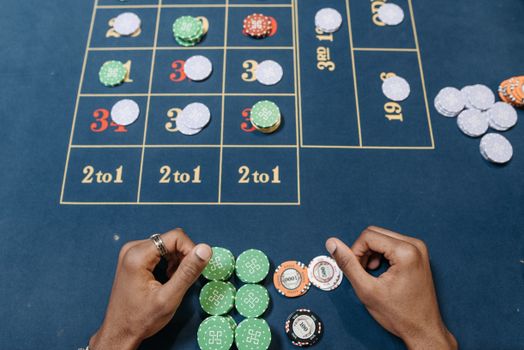
Online casinos offer excitement, entertainment, and the thrill of winning from the comfort of your home. But with accessibility comes responsibility. As online gambling continues to grow—Statista projects that the global online gambling market will reach $92.9 billion by 2023—so does the need for players to safeguard their well-being. Creating a responsible gaming plan is crucial for anyone who wants to enjoy the fun of online casinos without falling into unhealthy habits or financial distress.
In this article, you'll discover how to craft a personalized responsible gaming plan, understand the risks, and use practical tools to keep your experience safe and enjoyable. Whether you're new to online casinos or a seasoned player, these strategies will help you maintain control and maximize the positives of online gaming.
Why Responsible Gaming Plans Are Essential for Online Casino Players
Online gambling is designed to be fun, but it's also engineered to be engaging—sometimes too engaging. According to the UK Gambling Commission, around 0.5% of adults in the UK are classified as problem gamblers, and 3.8% are considered at-risk. In the US, the National Council on Problem Gambling estimates that about 2 million adults meet the criteria for severe gambling problems, with another 4-6 million classified as having mild or moderate issues.
.png)
Responsible gaming plans are not just for those who already have a gambling problem. They're proactive strategies designed to prevent problems before they start, helping you:
- Set and stick to spending limits - Recognize signs of risky behavior - Avoid emotional or impulsive decisions - Stay in control, even when luck isn’t on your sideThe benefits extend beyond financial protection. Responsible gaming also supports mental health, preserves relationships, and ensures that gaming remains an enjoyable pastime—not a harmful habit.
Assessing Your Gambling Habits: The First Step
Before you can create a responsible gaming plan, it’s important to take an honest look at your current habits. Self-assessment tools can help you identify whether your gaming is within healthy boundaries or drifting toward risk.
Here are key questions to ask yourself:
- How much time and money do you spend on online casinos each week? - Have you ever chased losses, gambling more to recover what you’ve lost? - Do you hide your gambling activity from friends or family? - Has gambling ever caused problems at work, school, or in relationships? - Do you feel restless or irritable if you try to cut back?If you answer “yes” to any of these, it may be time to recalibrate your habits. Many reputable online casinos offer self-assessment quizzes, and organizations like GamCare and the National Council on Problem Gambling have free online screening tools.
Setting Limits: Practical Tools for Staying in Control
One of the cornerstones of a responsible gaming plan is setting clear, enforceable limits. The best online casinos offer robust tools to help you stick to your goals. Here’s a comparison of common responsible gaming features and how they can be used:
| Tool | Description | Typical Frequency/Duration |
|---|---|---|
| Deposit Limits | Set a maximum amount you can deposit daily, weekly, or monthly | Daily, Weekly, Monthly |
| Loss Limits | Cap the amount you can lose over a specific period | Daily, Weekly, Monthly |
| Session Time Limits | Restrict the length of your gaming sessions | Per session, Daily |
| Reality Checks | Pop-up reminders about how long you’ve been playing | Every 30, 60, or 120 minutes |
| Timeouts | Take a short break from gaming (e.g., 24 hours, 1 week) | 24 hours to 6 weeks |
| Self-Exclusion | Block yourself from accessing the casino for a set period | 6 months, 1 year, or permanently |
According to a 2021 survey by the American Gaming Association, 79% of regular online gamblers use at least one of these responsible gaming tools. Setting up these limits early—before you start playing—can make a major difference in keeping your gaming enjoyable and stress-free.
Financial Management: Budgeting for Fun, Not Risk
One of the most practical steps in any responsible gaming plan is creating a gambling budget. Gambling should always be considered an entertainment expense, similar to going to the movies or dining out—not a way to make money.
Here’s how you can create a safe gambling budget:
1. Calculate your discretionary income: Only use money left after all bills, essentials, and savings goals are met. 2. Set a weekly or monthly cap: This is your maximum spend, regardless of wins or losses. 3. Never chase losses: Accept that losses are part of the game. Trying to recover them by gambling more usually leads to greater losses. 4. Use separate accounts: Consider keeping your gambling funds in a separate e-wallet or prepaid card to avoid accidental overspending. 5. Track your spending: Many casinos provide account histories or downloadable statements. Review these regularly to stay accountable.According to research published in the Journal of Gambling Studies, players who actively track their gambling expenditures are 40% less likely to develop problem gambling behaviors.
Recognizing Warning Signs and Taking Action
Even with the best plans, it’s possible for gambling to become problematic. Recognizing warning signs early is key to preventing harm. Common red flags include:
- Increasing the size or frequency of your bets - Borrowing money to gamble - Neglecting work, family, or personal responsibilities - Feeling anxious, depressed, or guilty after gambling - Inability to stop or cut back, despite wanting toIf you notice these signs, take immediate action. Most online casinos allow you to set stricter limits or self-exclude instantly. Additionally, support organizations such as Gamblers Anonymous, GamCare, and BeGambleAware offer confidential help online and over the phone.
Consider sharing your concerns with a trusted friend or family member. Studies show that people who seek support and accountability are much more successful in overcoming problem gambling than those who try to go it alone.
Leveraging Technology: Apps and Resources for Responsible Gaming
Modern technology has made it easier than ever to stay in control of your gambling. Here are a few digital tools to include in your responsible gaming plan:
- Gambling-blocking software: Apps like Gamban or BetBlocker can block access to gambling sites and apps across your devices. - Budgeting apps: Tools like Mint or YNAB help you monitor your entertainment spending, including gambling. - Self-assessment and support apps: Some organizations, such as GamCare, offer mobile apps with self-assessment quizzes, motivational tools, and direct connections to counseling services.In 2023, the UK saw a 37% increase in downloads of gambling-blocking software, reflecting a growing awareness of the importance of digital self-management tools.
Responsible Gaming: A Lifelong Commitment
Creating a responsible gaming plan for online casinos is not a one-time task—it’s an ongoing commitment. As your life circumstances, financial situation, and gaming interests change, so should your plan. Revisit your limits regularly, stay informed about new responsible gaming tools, and remember that enjoying online casinos safely is a lifelong journey.
By taking these proactive steps, you can ensure that online gambling remains a fun, positive part of your entertainment routine—never a source of stress or harm.