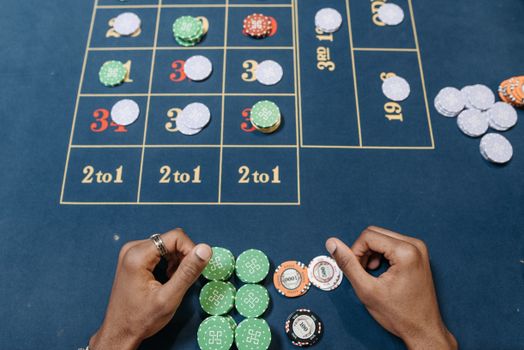
The Martingale strategy is one of the most talked-about betting systems, especially among casino enthusiasts seeking a structured approach to games of chance. While simple in concept, using the Martingale strategy effectively in a casino environment demands careful planning, clear boundaries, and a solid understanding of both the risks and the mathematics behind it. In this article, we’ll explore how the Martingale system works, the best ways to apply it, real-world results, and practical tips for those considering this classic betting tactic.
The Core Principles of the Martingale Strategy
At its heart, the Martingale strategy is a negative progression betting system. This means that after every loss, the player doubles their bet, aiming to recover previous losses with a single win. The basic steps look like this:
1. Place a base bet (for example, $10) on an even-money wager, such as red or black in roulette. 2. If you lose, double your bet to $20. 3. If you lose again, double to $40, and so on. 4. When you eventually win, you recover all prior losses plus your original stake.Let’s see this progression with a simple example:
- Bet $10 and lose: -$10 - Bet $20 and lose: -$30 - Bet $40 and win: +$10 (total profit for the session)The system’s appeal lies in its logic: a single win recovers all, provided you have enough bankroll and there are no table limits. However, the reality in a casino is more complex.
.png)
Where the Martingale Strategy Works Best
For the Martingale system to function as intended, you need games that offer near 50/50 odds. The most common options include:
- Roulette (red/black, odd/even, high/low bets) - Baccarat (player/banker) - Craps (pass/don’t pass)Let’s compare their house edges and suitability:
| Game | Even-Money Bet | House Edge | Best for Martingale? |
|---|---|---|---|
| Roulette (European) | Red/Black, Odd/Even | 2.70% | Yes |
| Roulette (American) | Red/Black, Odd/Even | 5.26% | Riskier |
| Baccarat | Player/Banker | 1.06% (Banker) | Yes |
| Craps | Pass/Don’t Pass | 1.41% | Yes |
| Blackjack | Red/Black (not available) | Varies | No |
European roulette, baccarat, and craps are the preferred games for Martingale, thanks to their relatively low house edge and the availability of even-money bets. American roulette, with its extra zero, is notably riskier.
Risks, Limitations, and the Importance of Table Limits
While the Martingale system looks foolproof on paper, several real-world factors make it risky:
1. $1 Casinos set maximum bet limits to protect themselves from large losses. If you hit the table limit during a losing streak, you can’t double your bet further, breaking the system. 2. $1 The Martingale system assumes you have unlimited funds, which isn’t realistic. A series of losses can escalate your bet size to hundreds or thousands of dollars quickly. 3. $1 Even on a 48.6% bet (such as red/black in European roulette), losing streaks happen more often than most players expect. For example, the odds of losing six red/black bets in a row are about 1.3%—or once every 77 attempts.Let’s look at a typical betting sequence with a $10 base bet and a $500 table limit:
| Bet Number | Bet Amount | Cumulative Loss if Lost |
|---|---|---|
| 1 | $10 | $10 |
| 2 | $20 | $30 |
| 3 | $40 | $70 |
| 4 | $80 | $150 |
| 5 | $160 | $310 |
| 6 | $320 | $630 |
After just six losses, you would need to bet $320 to continue the sequence, with total losses at $630. If the table limit is $500, you couldn’t place your next required bet, and your losses could not be recovered with the strategy.
How to Use the Martingale System Responsibly
To maximize the Martingale’s strengths and minimize its risks, consider the following tips:
- $1 Decide beforehand how much you’re willing to risk. Stick to it, no matter what. Never chase losses. - $1 Lower base bets allow you to weather more losing streaks before hitting table limits or busting your bankroll. - $1 Always check the maximum bet at your table and calculate how many doubling steps you can take before reaching it. - $1 The more spins or hands you play, the greater the chance of encountering a long losing streak. It’s best to play short sessions and take regular breaks. - $1 Tempting as it may be, raising your starting wager increases the risk of catastrophic losses.By following these guidelines, you can enjoy the Martingale system as a structured way to play, while avoiding the classic pitfalls that catch many players off guard.
Comparing Martingale to Other Betting Systems
The Martingale is just one of several popular betting systems. Let’s compare it to a few others:
| System | Progression | Risk Level | Win Goal |
|---|---|---|---|
| Martingale | Double after loss | High | 1 base unit per sequence |
| Paroli | Double after win | Low | Varies, usually capped |
| D’Alembert | Increase by 1 after loss, decrease by 1 after win | Medium | Gradual |
| Fibonacci | Increase bet based on Fibonacci sequence after loss | Medium-High | 1 base unit per sequence |
Martingale offers the quickest recoup of losses, but at the risk of rapid, steep bet increases. Systems like Paroli and D’Alembert are less risky but offer slower, less dramatic recoveries.
Real Casino Results: What Do the Numbers Say?
Research and casino records show that while the Martingale strategy can produce many small wins, it eventually leads to large losses for most players. For instance:
- In a 2019 simulation of 10,000 Martingale sessions of 100 roulette spins each (with a $10 base bet and $500 table limit), 83% of sessions ended with a small profit, but 17% lost the entire $500 bankroll. - On average, the rare catastrophic loss more than cancels out the small steady wins, resulting in a net loss over the long run. - The longest recorded losing streak in roulette is 22 consecutive reds or blacks—a 1 in 4.5 million event, but not impossible in a busy casino.Casinos thrive on these odds, knowing that the longer you play, the more likely you are to hit a streak your bankroll or the table limit cannot cover.
Smart Alternatives and Modifications to the Martingale
If you’re drawn to the structure of Martingale but wary of its risks, consider these alternative approaches:
- $1 Limit yourself to a maximum of 3-4 doubles. If you hit this cap, accept the loss and restart. This reduces the risk of catastrophic losses. - $1 Instead of doubling after a loss, double after a win. This method rides winning streaks and limits losses. - $1 Set both a maximum loss and a profit target for each session, ending play when either is reached.These methods can help you enjoy the thrill of progressive betting while putting boundaries around loss exposure.
Final Thoughts on Using the Martingale Strategy in Casinos
The Martingale betting strategy is simple, exciting, and appealing for its promise of swift recovery after losses. But the reality, as shown by math and countless casino sessions, is that it comes with significant risks. Table limits, finite bankrolls, and the inevitability of long losing streaks combine to make Martingale unsustainable as a long-term winning system. However, with responsible play, clear limits, and a good understanding of the odds, it can be used as a fun, structured approach for short casino sessions. Always gamble within your means, and remember: no betting system can overcome the house edge in the long run.