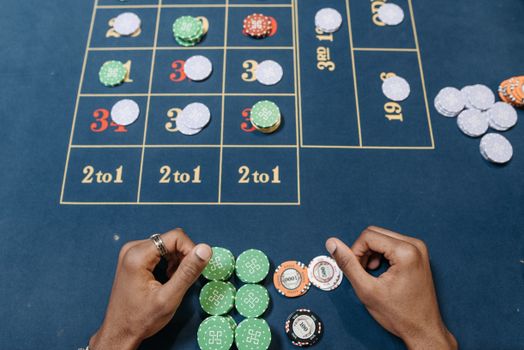
Managing your gaming bankroll is the cornerstone of long-term success and enjoyment in casino gaming, poker, or any form of gambling that involves staking real money. Whether you’re a casual player spinning the slots or a strategic poker enthusiast, understanding how to effectively control your money can mean the difference between sustained entertainment and a quick trip to zero. In this comprehensive guide, we’ll unpack actionable tips, proven strategies, and insightful comparisons to help you maximize your playtime and minimize financial risks.
The Importance of Gaming Bankroll Management
Bankroll management isn’t just a buzzword—it’s a set of habits and strategies that seasoned players use to stretch their funds and avoid painful losses. According to a 2022 survey by the UK Gambling Commission, over 60% of regular gamblers who practiced budgeting reported higher satisfaction and fewer regrets compared to those who did not.
Why does bankroll management matter so much? Here are a few reasons: - It prevents rapid, emotionally driven losses. - It helps you play longer and enjoy more gaming sessions. - It encourages responsible gambling and reduces the risk of problem behaviors. - It enables you to weather losing streaks and capitalize on winning ones.Think of your gaming bankroll as your entertainment budget. Just as you wouldn’t spend your rent at a concert, you shouldn’t gamble money you can’t afford to lose. Mastering this mindset is your first step toward sustainable gaming.
.png)
Setting Your Gaming Bankroll: The Right Start
The foundation of effective bankroll management is setting the right amount to play with. This isn’t just about picking a number—it’s about understanding your finances, your risk tolerance, and your gaming goals.
1. $1: Before you deposit a cent, analyze your monthly budget. Subtract rent, bills, groceries, and savings. The leftover, discretionary cash is your only potential gaming bankroll. 2. $1: Decide how much you’re comfortable losing in a week or month. For many, a gaming bankroll equating to 1-5% of their monthly income is reasonable. For example, if your monthly income is $3,000, a $60-$150 monthly bankroll keeps play within safe boundaries. 3. $1: Use a dedicated e-wallet or a casino account for your gaming funds. This physical separation discourages over-spending and keeps you honest. 4. $1: If you lose your set bankroll, don’t dip into your savings or increase your limit. Chasing losses is a fast track to financial trouble—a notorious pitfall for new and experienced players alike.Choosing the Right Stakes and Games for Your Bankroll
Not all games (or stakes) are created equal. Your choice of game and bet size has a direct impact on how long your bankroll lasts and your overall risk.
Here’s how different games and bet sizes affect your bankroll:
| Game Type | Average House Edge | Minimum Bet | Bankroll Needed for 1 Hour Play |
|---|---|---|---|
| Slots | 3-10% | $0.10 | $10-$50 (low volatility) |
| Blackjack | 0.5-1.5% | $5 | $100-$200 |
| Poker (Cash Game) | Player vs. Player | $1 | $40-$100 (for $1/$2 blinds) |
| Roulette | 2.7-5.26% | $1 | $20-$60 |
Smart players match their bankroll to the games and stakes they choose. For instance, if you have $100 to spend, you’ll get more entertainment value from penny slots or low-stakes poker than from betting $20 a spin on roulette.
Tracking Your Results and Adjusting Your Strategy
One of the most overlooked aspects of bankroll management is tracking your results. It’s easy to overestimate your wins and underestimate your losses, leading to poor decision-making.
Here’s how to keep your gaming on track:
1. $1: Log your sessions, including game type, time played, starting and ending balance. There are purpose-built apps like Bankroll Tracker or even simple Excel templates that do the trick. 2. $1: At the end of each week or month, analyze your results. Are you consistently losing at a particular game? Are you winning more at others? Use this data to adjust your strategy and focus on games that give you the best results. 3. $1: Many players find that their biggest losses come from a few impulsive sessions. Tracking your play can help you spot these costly patterns and correct them. 4. $1: Decide in advance how much you want to win before cashing out, and how much you’re willing to lose before stopping. For example, a 20% win target and a 30% loss limit helps you lock in profits and avoid chasing losses.According to a 2023 study from the University of Nevada, players who consistently tracked their results were 28% more likely to stay within their budget and reported higher overall satisfaction.
Psychological Tips to Maintain Discipline
Effective bankroll management isn’t just about numbers—it’s about psychology and self-control. Casino environments, both virtual and physical, are designed to encourage extended play and bigger bets. Here are some tips to stay disciplined:
- $1: Playing for hours can lead to fatigue and poor decisions. Set a timer for 30-60 minutes of play, then take a break. - $1: Impaired judgment leads to bigger risks and more losses. - $1: Keep your entertainment-first mindset at the forefront. Winning is a bonus, not a guarantee. - $1: Did you stick to your budget? Did you avoid chasing losses? Celebrate these successes—they’re key to long-term enjoyment.A 2021 Canadian Responsible Gambling Council report found that players who used breaks and self-reminders were 35% less likely to exceed their planned budgets.
Using Tools and Features to Safeguard Your Bankroll
Modern gaming platforms offer an array of features to help you stick to your bankroll plan. Leveraging these tools can make all the difference, especially during losing streaks or moments of temptation.
- $1: Most reputable online casinos and poker sites allow you to set daily, weekly, or monthly deposit and loss caps. Once you hit your limit, you can’t deposit more until the period resets. - $1: If you feel your gaming is getting out of control, use the time-out or self-exclusion options to take a break for a set period—or indefinitely. - $1: Some platforms provide pop-up reminders of how long you’ve been playing or how much you’ve spent, helping you stay aware. - $1: Use features that prevent you from reversing a withdrawal. This ensures your winnings actually make it to your bank account.According to GambleAware, UK players who set deposit limits were 48% less likely to develop gambling-related problems.
Final Thoughts on Mastering Your Gaming Bankroll
Managing your gaming bankroll effectively isn’t about restricting fun—it’s about ensuring you get the maximum enjoyment from your entertainment budget without stress or regret. By setting clear limits, choosing the right games and stakes, tracking your progress, maintaining psychological discipline, and leveraging built-in platform tools, you can enjoy gaming as a safe and rewarding hobby.
Remember, luck is always a factor, but disciplined bankroll management puts the odds of long-term fun in your favor. Make each session an investment in entertainment, not a gamble with your financial well-being.