Casino games are more than just a source of entertainment—they are carefully engineered experiences that tap into powerful psychological triggers. Whether at a buzzing Las Vegas resort or in the comfort of your home on an online platform, every spin, shuffle, and roll is designed to engage your mind. But what exactly makes these games so compelling? Why do people find themselves returning to the tables, sometimes against their better judgment? In this article, we’ll delve into the fascinating psychology behind casino games, revealing how game designs, environmental cues, and human behavior intertwine to create an irresistible allure.
The Power of Variable Rewards: How Unpredictability Hooks Players
One of the most potent psychological forces at play in casino games is the concept of variable rewards. Unlike fixed rewards, where every action leads to a predictable outcome, variable rewards deliver prizes at random intervals. This unpredictability triggers a surge of dopamine in the brain, the same chemical associated with pleasure and motivation.
Psychological studies have shown that variable reward systems are highly effective in driving repeat behaviors. For example, a 2020 study published in the Journal of Behavioral Addictions found that slot machines, which operate on a variable ratio reinforcement schedule, can keep players engaged up to 50% longer than games with predictable outcomes. This is the same mechanism behind social media notifications and video game loot boxes—each play could be the one that pays out big, and that possibility keeps people coming back.
.png)
Slot machines epitomize this strategy. With each spin, the player doesn’t know whether they’ll win or lose, and the anticipation itself becomes exciting. Even near-misses (when the symbols almost line up) are engineered to heighten suspense and encourage further play.
Sensory Stimulation: How Lights, Sounds, and Colors Influence Decisions
Step onto any casino floor or open a modern online slot, and you'll be greeted by a kaleidoscope of sights and sounds. These sensory elements are far from accidental; they are meticulously crafted to enhance the gaming experience and subtly influence player behavior.
Bright, flashing lights and celebratory sounds signal wins—even small ones—creating a sense of constant excitement. In fact, a 2013 study from the University of British Columbia found that slot machines that paired wins with sound effects increased players’ heart rates and engagement, even when the actual payout was minimal.
Colors also play a crucial role. Red and gold are commonly used because they are associated with luck and prosperity in many cultures. Meanwhile, the layout of machines and tables is often designed to keep players moving seamlessly from one game to another, minimizing the awareness of time spent or money lost.
The environment itself is engineered to keep you playing: casinos often lack clocks and windows, making it easy to lose track of time. Even the scent in the air is sometimes manipulated—one Las Vegas casino reported a 45% increase in slot revenue after introducing a pleasant aroma on the gaming floor.
The Illusion of Control: How Choice and Skill Affect Player Confidence
Many casino games are games of chance, yet designers often give players the feeling that their actions matter more than they actually do. This is known as the illusion of control, a well-documented psychological phenomenon where people overestimate their ability to influence outcomes.
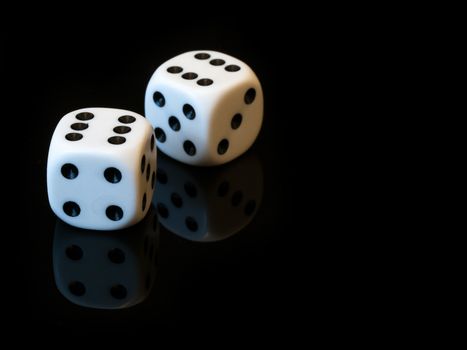
Games like craps, where players physically roll the dice, or blackjack, which involves making decisions about hitting or standing, enhance the player’s sense of agency. Even in online games, features like “hold” and “nudge” options in slots let players interact with the game, reinforcing the belief that they can influence the result.
Research has shown that when players feel in control, they are more likely to take risks and play longer. A 2010 study published in Psychology of Addictive Behaviors found that participants who felt they had some control over a gambling outcome bet 34% more often than those told outcomes were entirely random.
The illusion of control is also why many people develop betting strategies or rituals, such as blowing on dice or sticking to a “lucky” machine, even if these behaviors have no real effect on the game’s results.
Social Dynamics: The Role of Community and Competition
Casino games are not just solitary pursuits—they often involve elements of community and competition that further enhance their appeal. Table games like poker and blackjack bring people together, fostering interactions that can be both friendly and intensely competitive.
The presence of other players can influence behavior significantly. Social proof, the psychological phenomenon where people look to others for cues on how to act, is at work here. If you see others winning or having a good time, you’re more likely to join in. Live dealer games online, which have surged in popularity (with a 38% increase in participation reported by the UK Gambling Commission in 2022), replicate this dynamic by adding human hosts and real-time chat features.
Competition adds another layer. Tournaments and leaderboards tap into people’s desire to prove themselves and win status or recognition among their peers. The chance to beat others, rather than just the house, is a powerful motivator.
Group dynamics can also lead to riskier behavior. In a study published in the Journal of Gambling Studies, players reported being more willing to make larger wagers and take bigger risks when playing in groups, compared to playing alone.
Comparing Psychological Triggers Across Popular Casino Games
Different casino games engage the brain in unique ways. Here’s a comparison of the key psychological triggers in some of the most popular games:
| Game | Main Psychological Trigger | Element of Skill | Social Interaction | Sensory Stimulation |
|---|---|---|---|---|
| Slot Machines | Variable rewards, sensory cues | Low | Low | High |
| Blackjack | Illusion of control, skill-based play | High | Medium | Medium |
| Poker | Competition, social proof | Very High | High | Medium |
| Roulette | Random rewards, anticipation | Low | Medium | High |
| Baccarat | Simplicity, suspense | Low | Medium | Medium |
This table highlights how different games appeal to varying psychological needs—whether it’s the thrill of unpredictability, the satisfaction of demonstrating skill, or the enjoyment of socializing with others.
Why Understanding Casino Psychology Matters for Players
Recognizing the psychological tactics used in casino games can empower players to make more informed decisions. Understanding how variable rewards, sensory inputs, and the illusion of control impact behavior helps demystify the allure of gambling and can serve as a protective factor against problematic play.
Approximately 2.3% of the global adult population experiences some form of gambling disorder, according to the World Health Organization. By being aware of the psychological mechanisms at play, individuals can set clearer limits, recognize when their decision-making is being influenced, and seek support if needed.
Moreover, this awareness is crucial as online casinos continue to innovate, introducing new forms of engagement such as virtual reality environments and AI-powered opponents. These technologies are likely to use even more sophisticated psychological techniques to capture attention and encourage extended play.
Balancing Entertainment and Responsibility in Casino Gaming
For most people, casino games are a form of entertainment—a way to relax, socialize, and perhaps win some money. The industry itself acknowledges the importance of responsible gaming, with many platforms now offering tools like deposit limits, self-exclusion options, and reality checks to promote healthy play.
Yet, the psychological pull of these games means that some individuals are more vulnerable to excessive or harmful gambling behaviors. Awareness campaigns, education, and research are key components in helping players enjoy casino games without falling into unhealthy patterns.
In 2023, the American Gaming Association reported that 79% of casino visitors participated in at least one responsible gaming initiative, such as setting deposit limits or using time reminders. This shows a growing recognition of the need to balance fun with self-care.