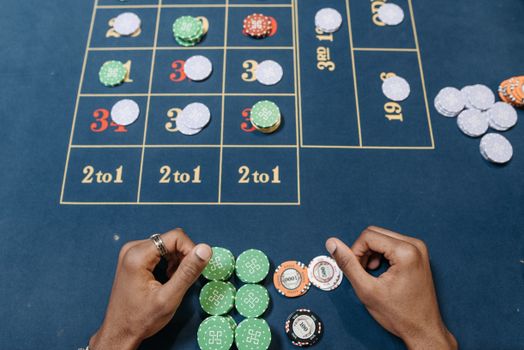
Online gaming has exploded in popularity over the past decade, offering immersive experiences, social connections, and, for some, the thrill of chance. However, with this growth comes the risk of overspending, as more players find themselves tempted by microtransactions, in-game purchases, and online gambling features. Learning how to set a budget for online gaming—and most importantly, how to stick to it—is crucial for ensuring your gaming remains fun rather than financially stressful. In this comprehensive guide, we’ll explore practical strategies, psychological insights, and digital tools to help you manage your gaming expenses with confidence.
The Hidden Costs of Online Gaming: Why Budgeting Matters
It’s easy to underestimate how much money can flow into online games. The average gamer in the United States spent $92 on in-game purchases in 2023, according to a Statista report. For those involved in casino-style or real-money gaming, the numbers are even higher: the global online gambling market surpassed $95 billion in revenue in 2022, with individual players often spending hundreds or even thousands annually.
These costs add up due to several factors: - Microtransactions: Small, frequent purchases for skins, loot boxes, or power-ups. - Subscription fees: Monthly or seasonal passes for game access or exclusive content. - Pay-to-win mechanics: Features that encourage spending for competitive advantage. - Gambling elements: Slots, card games, or sports betting within gaming platforms.Uncontrolled spending can lead not just to financial strain, but also to stress and diminished enjoyment. Setting a clear budget turns gaming into a guilt-free, sustainable hobby.
.png)
Step-by-Step Guide to Setting Your Online Gaming Budget
A well-defined budget is your best defense against overspending. Here’s a step-by-step process to establish your personal gaming budget:
1. $1 Begin by calculating your disposable income—what’s left after essentials like rent, bills, and groceries. Experts recommend allocating no more than 5% of your disposable income to entertainment, including gaming. 2. $1 Review your previous spending. Most gaming platforms and payment services offer transaction histories. Note how much you spent last month, last quarter, and last year. 3. $1 Decide on a fixed amount you’re comfortable spending. For example, if your disposable income is $500/month, 5% is $25 for gaming. 4. $1 Divide your limit across different gaming categories. For instance, $10 for in-game items, $10 for subscriptions, $5 for special events. 5. $1 Allow some flexibility for holidays or game launches, but always stay within your overall entertainment cap.Here’s a comparative table to illustrate different budget scenarios:
| Disposable Income | Recommended Gaming Budget (5%) | Realistic Monthly Spend | Tips for Staying on Track |
|---|---|---|---|
| $500 | $25 | $20-$30 | Use prepaid cards, set alerts |
| $1,000 | $50 | $40-$60 | Track with budgeting apps |
| $2,000 | $100 | $80-$120 | Assign categories, review monthly |
Essential Tools and Apps to Manage Your Gaming Spend
Technology can be your ally in keeping your gaming spend under control. Here are some tools and features to consider:
- $1 Many consoles and PC platforms allow users to set spending limits, password-protect purchases, or get notifications for each transaction. - $1 Tools like Mint, YNAB (You Need a Budget), and PocketGuard allow you to create custom categories for gaming and track spending in real time. Example: Mint’s custom alerts notify you when you’re approaching your limit. - $1 Using prepaid gaming cards or virtual wallets (like PayPal) lets you load only what you intend to spend, physically capping your budget. - $1 Most banks offer real-time spending notifications and the ability to freeze cards if needed, adding an extra layer of control. - $1 Steam’s “Family View” and PlayStation’s “Spend Limit” features are designed to help both adults and children avoid accidental overspending.According to a 2022 survey, 67% of gamers said that using such tools helped them reduce their monthly gaming expenses by an average of 18%.
Psychological Traps: How Game Design Encourages Overspending
It’s not just about willpower—modern games are designed to encourage spending. Understanding these tactics can help you resist unnecessary purchases:
- $1 Limited-time offers and exclusive items push players to buy now or risk missing out forever. - $1 The variable rewards of loot boxes exploit the same psychological triggers as gambling, making it hard to stop once you start. - $1 Some games limit progress unless you pay to unlock content or speed up play. - $1 Seeing friends with premium skins or gear can create the urge to keep up.A UK Gambling Commission study found that 31% of young gamers felt pressured to make purchases due to these mechanisms. By being aware of these tactics, you can make more rational spending decisions and stay within your budget.
Building Good Habits: Strategies to Stick to Your Budget
Once your budget is set, the real challenge is sticking to it. Here are proven strategies to help you maintain discipline:
- $1 Log each transaction in a notebook or budgeting app. Awareness is the first step to control. - $1 Wait 24 hours before making any in-game purchase. This cooling-off period helps avoid impulse buys. - $1 If you stay under budget for a month, reward yourself with a small, planned treat—perhaps a new game, or a night out. - $1 Share your budget goals with a friend or family member. Social support increases your chances of success. - $1 Limit your gaming sessions as well as your spending. This reduces exposure to in-game marketing. - $1 Revisit your budget monthly. If you consistently overspend, adjust your limits or explore free-to-play alternatives.A 2021 study from the University of York found that gamers who tracked their spending and used a “cooling-off” period reduced impulsive purchases by 27%.
What to Do If You Slip: Recovering from Overspending
Even the best-laid plans can go astray. If you find yourself exceeding your budget, don’t panic—use it as an opportunity to reset:
1. $1 What led to the overspend? Was it a special event, peer pressure, or emotional spending? 2. $1 Tighten your budget for the next month to balance out the excess. 3. $1 Take a break from games involving real-money transactions. Use this time to rediscover free games or offline hobbies. 4. $1 If overspending is a recurring issue, consider talking to a financial advisor or a counselor specializing in gaming or behavioral addictions.Remember, budgeting is a skill that improves with practice and persistence.
Smart Gaming: Enjoy the Fun Without Financial Stress
Online gaming should be an enjoyable escape, not a source of financial worry. By understanding the hidden costs, leveraging digital tools, recognizing psychological traps, and building strong budgeting habits, you can make your gaming experience both fun and financially healthy. Remember, setting a budget isn’t about restriction—it’s about freedom from stress and guilt, so you can focus on what really matters: enjoying the game.