Managing time effectively is a challenge in many aspects of modern life, but for online gaming enthusiasts, it can be especially tricky. The immersive worlds, competitive gameplay, and social connections that online games offer can make hours feel like minutes. While online games provide immense entertainment and even cognitive benefits, unchecked playtime can affect work, studies, relationships, and health. So, how can you strike a balance between enjoying your favorite games and maintaining a healthy, productive lifestyle? This article delves into practical strategies, tools, and mindsets that can help you master time management while playing online games.
The Allure and Risks of Online Gaming: Understanding the Need for Time Management
Online gaming is a global phenomenon, with over 3.2 billion gamers worldwide as of 2023, according to Statista. The average gamer spends about 8.45 hours per week playing games, but for many, especially in the competitive or social arena, this number can be much higher.
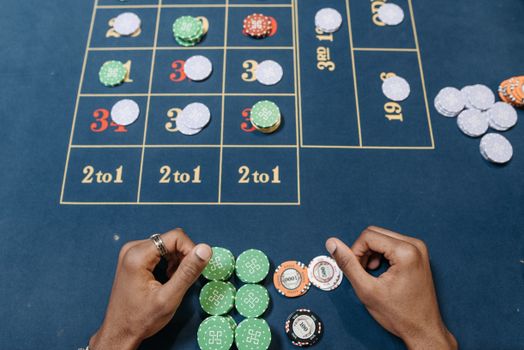
The appeal is clear: online games offer endless entertainment, a sense of achievement, and opportunities for social interaction. Titles like Fortnite, League of Legends, and online casino games are designed to keep players engaged with frequent updates, reward systems, and community events.
.png)
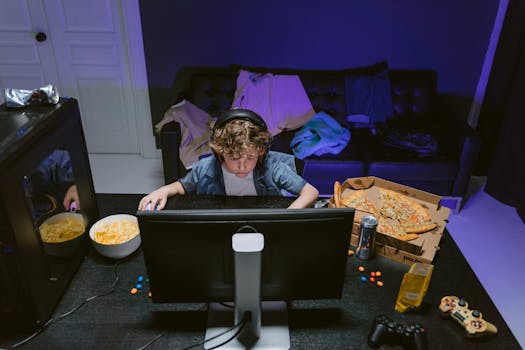
However, without conscious boundaries, gaming can encroach on other responsibilities. Excessive play is linked to sleep deprivation, reduced academic or work performance, and even strained relationships. The World Health Organization recognized "gaming disorder" as a behavioral addiction in 2019, highlighting the importance of balance.
Effective time management in online gaming isn't about giving up your hobby—it's about making sure it fits harmoniously with the rest of your life.
Setting Realistic Gaming Goals and Priorities
The first step to managing your time is to understand your motivations and set clear priorities. Ask yourself: What do I want to achieve from my gaming sessions? Is it relaxation, competition, socialization, or skill-building?
Defining your goals can help you allocate appropriate time. For example, if your aim is to unwind after work, a 30–60 minute session might suffice. If you're climbing competitive ranks, you may need longer, but with structured breaks.
Here’s how to align gaming with your priorities:
- List daily and weekly tasks outside of gaming (work, study, chores, exercise). - Assign fixed blocks of time for these essentials. - Identify windows for gaming that don’t interfere with your primary responsibilities. - Communicate your schedule with family or housemates to manage expectations and avoid conflicts.Setting boundaries can be empowering rather than restrictive. For instance, the American Academy of Pediatrics suggests that school-aged children should have no more than 1–2 hours of recreational screen time daily, a guideline adaptable for adults seeking balance.
Utilizing Technology and Tools for Better Time Tracking
In the digital age, numerous tools are available to help track and limit gaming time. Many platforms and games now include built-in timers, play history, and parental controls, but third-party solutions can offer even more flexibility.
| Tool/Feature | Platform | Key Functionality | Best For |
|---|---|---|---|
| Steam Family View | PC (Steam) | Set playtime limits, restrict access to games | Parents, self-regulation |
| PlayStation Family Management | PlayStation consoles | Daily playtime limits, notifications | Families, teens |
| Screen Time (iOS/Android) | Mobile devices | Track app/gaming time, set daily limits | Mobile gamers, parents |
| RescueTime | PC, Mac, Mobile | Detailed time tracking, productivity reports | All gamers, professionals |
| Forest App | Mobile | Encourages focus sessions, digital wellbeing | Those seeking focus, work-life balance |
Using these tools, you can set daily or weekly gaming limits, receive reminders when it’s time to stop, and analyze your play habits. For example, RescueTime provides weekly reports showing how much time you spend gaming versus on productive tasks—a valuable insight for self-improvement.
Structuring Your Gaming Sessions for Maximum Enjoyment and Minimum Disruption
Unstructured gaming sessions can easily spiral into all-night marathons. To avoid this, treat your gaming time like any other scheduled activity.
Here are some practical tips:
- $1 Decide before you start how long you’ll play. Set an alarm or use a timer app as a cue to wrap up. - $1 The American Optometric Association recommends the 20-20-20 rule: every 20 minutes, look at something 20 feet away for at least 20 seconds to reduce eye strain. Consider taking a 5–10 minute break every hour to stretch, hydrate, and reset. - $1 Many games are designed to keep you playing. Be mindful of cues like “next level” or “daily quest” that entice you to extend sessions. - $1 Leverage your love for gaming as motivation to complete other tasks. For example, after finishing assignments or chores, reward yourself with game time. - $1 If you play with friends, set start and end times together. This creates mutual accountability.For example, in a survey by Limelight Networks, 50% of gamers reported losing track of time while playing. By structuring sessions, you regain control and enhance your enjoyment without negative side effects.
Maintaining a Healthy Lifestyle Alongside Online Gaming
Time management isn’t just about limiting play—it’s about creating a lifestyle where gaming is one fulfilling part among many. Studies link excessive screen time to negative health outcomes, including poor sleep quality and physical inactivity. Here’s how to stay balanced:
- $1 The Sleep Foundation recommends 7–9 hours of sleep for adults. Avoid late-night gaming that cuts into rest. Blue light from screens can disrupt melatonin production, making it harder to fall asleep. - $1 Stand up, stretch, or do a quick workout between games. According to the World Health Organization, adults should aim for at least 150 minutes of moderate physical activity per week. - $1 While online games offer social interaction, in-person connections are vital for mental health. Make time for family, friends, and outdoor activities. - $1 Snacking while gaming is common, but opt for healthy options like fruit, nuts, or yogurt to maintain energy and focus.A balanced lifestyle doesn’t mean sacrificing your favorite pastime—it ensures you have the energy, focus, and health to enjoy it even more.
Recognizing Signs of Problematic Gaming and Taking Action
Even with the best intentions, it’s possible for gaming to start affecting other areas of your life. Recognizing early warning signs can help you take corrective action before it becomes a bigger problem.
Warning signs include:
- Neglecting responsibilities (work, school, relationships) for gaming - Lying about or hiding gaming habits - Feeling anxious, irritable, or depressed when not playing - Using gaming to escape real-life problems or emotions - Repeated failed attempts to cut back on playtimeIf you recognize these signs, consider:
- Talking to family or friends for support - Seeking help from mental health professionals specializing in behavioral addictions - Using stricter time management tools or uninstalling problematic gamesRemember, seeking help is a sign of strength, not weakness. Many communities and support groups exist to help gamers maintain healthy habits.
Final Advice for Balancing Online Gaming and Life
Online gaming is a vibrant, rewarding hobby that can fit comfortably within a balanced lifestyle. By setting realistic goals, using technology to track your time, structuring your sessions, prioritizing health, and recognizing when habits become problematic, you can enjoy the best of both worlds. Time management isn’t about restriction—it’s about empowerment, ensuring that you remain in control of your gaming and your life.