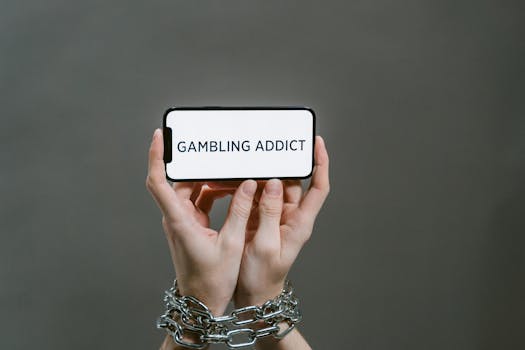
Online gambling is a global phenomenon, accessible to millions with just a few clicks. With its explosive growth has come a flood of information—some true, some wildly inaccurate. Myths about online gambling are everywhere: on forums, in news stories, and even among seasoned players. But how much of what you hear is fact, and how much is fiction? This article examines the most common myths about online gambling, separating truths from lies, so you can play smarter and more informed.
Myth #1: Online Gambling Is Always Rigged Against Players
One of the oldest and most persistent beliefs is that online casinos are designed solely to cheat players out of their money. While it’s true that casinos—online and land-based—are profit-driven businesses, the idea that all online gambling is rigged is a myth.
Legitimate online casinos operate under strict regulations. In 2023, more than 80 countries had specific laws and licensing authorities for online gambling, such as the UK Gambling Commission and Malta Gaming Authority. These regulatory bodies require casinos to use Random Number Generators (RNGs) that are independently tested for fairness. For example, eCOGRA, an internationally recognized testing agency, audits and certifies casino games to ensure fair play.
.png)
Let’s look at the numbers: the average online slot machine has a Return to Player (RTP) rate between 94% and 97%. This means that, for every $100 wagered, the game is designed to pay out $94 to $97 over time. While the house always has an edge (otherwise gambling wouldn’t be profitable for casinos), this edge is transparent and regulated—just as it is in physical casinos.
Myth #2: You Can’t Win Real Money Online
Another widespread misconception is that online gambling doesn’t pay out real winnings. Skeptics often claim that online platforms make it impossible to cash out, or that “nobody ever wins big online.” The reality is quite different.
According to Statista, the global online gambling market reached $95 billion in revenue in 2023, with more than 20 million active players worldwide. Real money is at stake, and real money is paid out. In fact, some of the largest jackpots in history have been won online. In 2015, a British soldier won £13.2 million (over $17 million) on the Mega Moolah slot at an online casino.
However, not all sites are created equal. Licensed operators are legally obligated to process withdrawals promptly. For instance, UK-licensed casinos must process withdrawals within 72 hours. Unlicensed or rogue operators, on the other hand, may delay or refuse payouts. That’s why it’s essential to check for proper licensing before depositing any money.
Here’s a comparison of licensed vs. unlicensed online casinos:
| Feature | Licensed Casino | Unlicensed Casino |
|---|---|---|
| Fair Game Auditing | Mandatory, regular checks | None or unreliable |
| Payout Guarantee | Enforced by regulators | No guarantee |
| Withdrawal Speed | Usually 1-3 days | Can be delayed indefinitely |
| Player Protection | Strong, including dispute resolution | Little to none |
Myth #3: Online Gambling Is Illegal Everywhere
Laws about online gambling are complex and frequently misunderstood. While some believe it is universally illegal, the truth is that legality varies widely from country to country and sometimes even within regions of the same country.
For example, online gambling is fully legal and regulated in the United Kingdom, most of the European Union, Canada (at the provincial level), and several states in the USA, including New Jersey, Pennsylvania, and Michigan. In contrast, other countries have partial or full bans, such as the United Arab Emirates or Singapore.
As of 2024, more than 60 countries have some form of legal online gambling. Over 30 U.S. states have introduced or passed legislation to regulate online betting, and the trend is moving toward broader legalization as governments recognize the tax revenues online gambling generates. In 2023, U.S. online gambling tax revenue exceeded $4.5 billion.
Always check your local laws before gambling online—playing on unlicensed, offshore sites may violate regulations or leave you without legal protection.
Myth #4: Online Gambling Is More Addictive Than Land-Based Gambling
Many people worry that online gambling is inherently more addictive than visiting a casino. The reasons often cited include ease of access, anonymity, and the ability to gamble 24/7. But what does the research say?
A comprehensive study published by the National Council on Problem Gambling found that the prevalence of gambling addiction among online gamblers is somewhat higher than among offline gamblers—about 5-8% compared to 3-5%. However, it’s important to note that the overall rate of problem gambling has not increased significantly with the rise of online platforms.
What’s more, many online casinos now use advanced technology to promote responsible gambling. These include:
- Deposit and loss limits - Time-out and self-exclusion options - Reality checks that remind players how long they’ve been playingThese tools, in some cases, are more systematic and accessible than those available in land-based venues. The key risk factor is not the platform, but the individual’s personal vulnerability to addiction. Responsible gambling resources are available on most reputable sites and through organizations such as GamCare and GambleAware.
Myth #5: Online Casinos Don’t Protect Your Personal and Financial Data
Concerns about cybersecurity are valid in today’s digital world. Many people avoid online gambling because they fear their personal and financial information will be stolen or misused. Are these fears justified?
Top-tier online casinos invest heavily in state-of-the-art security. The majority use 128-bit or 256-bit SSL encryption—the same standard used by global banks—to protect all transactions and personal data. Additionally, reputable sites must comply with data protection regulations like GDPR in Europe, which set strict standards for how customer data is handled.
Data breaches are rare at licensed online casinos. For example, a 2022 report from Cybersecurity Ventures found that less than 0.01% of regulated online gambling sites experienced a significant data breach in the past five years. In contrast, the risk is much higher at unlicensed or shady operators.
To stay safe, always:
- Use casinos with visible licensing and security badges - Enable two-factor authentication if available - Avoid sharing your credentials or using public Wi-Fi to access gambling accountsMyth #6: Online Gambling Outcomes Can Be Predicted or Manipulated
A final, pervasive myth is that players can “hack” or predict online games to guarantee a win. From rumors of secret betting systems to claims of “hot” or “cold” slots, these ideas have no basis in reality.
The core of every online casino game—be it slots, roulette, or blackjack—is the Random Number Generator (RNG). RNGs are sophisticated algorithms that generate billions of random outcomes every second. Certified by independent auditors, they ensure that each spin or card dealt is entirely random and independent of previous results.
No legal online casino allows manipulation of outcomes. Strategies like card counting may work in live blackjack games, but they are ineffective against software-based games online. Anyone promising guaranteed wins or “secret systems” is almost certainly trying to scam players.
Final Thoughts on Sorting Fact from Fiction in Online Gambling
Online gambling is surrounded by myths—some rooted in genuine concerns, others the result of hearsay or misunderstanding. Knowing the difference between truth and myth can protect your money, your data, and your enjoyment of online gaming.
Remember: reputable online casinos are regulated, pay out real money, and use advanced security. While risks exist, especially at unlicensed sites, the idea that all online gambling is rigged or unsafe is simply not backed by facts. Always do your research, check licensing information, and use responsible gambling tools to keep your experience safe and enjoyable.