Online gambling has undeniably reshaped the contours of entertainment and economic activity across the globe. Its integration into daily life, facilitated by the digital revolution, merits a comprehensive exploration of its effects on modern society. This analysis delves into the economic, social, and psychological impacts of online gambling, offering insights into its multifaceted influence.
Economic Impact
The economic implications of online gambling are substantial. It serves as a significant revenue stream for countries that have legalized and effectively regulated it. For example, in regulated markets, online gambling operations contribute to job creation in technology, customer service, and compliance sectors, among others. These businesses also drive technological advancements as they seek to improve user experience and ensure secure platforms for their customers. Moreover, the taxation of these activities can lead to a robust inflow of funds that can support public services such as education and healthcare.
.png)
However, the economic advantages come with inherent risks. Online gambling platforms can be susceptible to misuse for activities like money laundering. This necessitates stringent regulatory measures to curb illegal activities and ensure the integrity of financial transactions within the industry.
Social Impact
Socially, the landscape of online gambling presents a dual narrative. On one hand, it offers a form of entertainment that can be accessed from the convenience of one’s home, reducing physical barriers to participation. Online platforms also foster a sense of community among users through interactive features such as live dealer games and chat rooms.
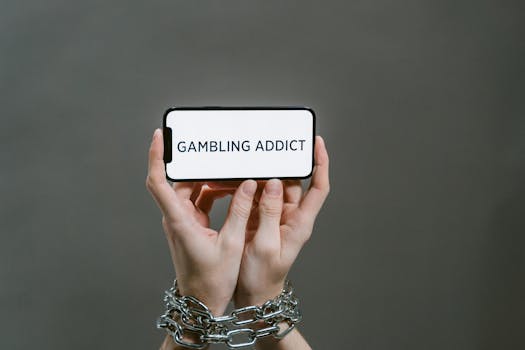
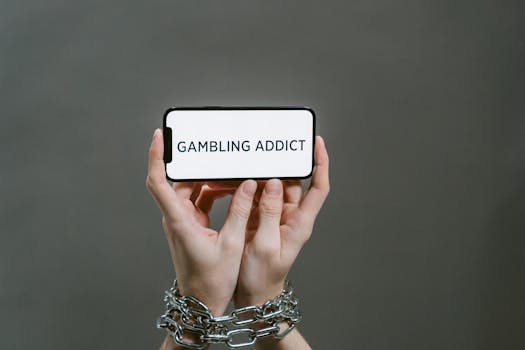
Conversely, the accessibility of gambling online can facilitate addictive behaviors. The ease of logging onto a gambling site means that for susceptible individuals, moderation can be difficult. Gambling addiction can lead to severe personal and familial crises, including financial instability and deteriorating relationships.
Psychological Impact
Psychologically, online gambling can have contrasting effects. It can serve as a leisure activity that helps individuals unwind and relieve stress. Winning in gambling activates a release of dopamine, providing a sense of euphoria. However, the pursuit of that 'high' can lead to dependency, with some individuals developing a gambling disorder. Symptoms may include anxiety, depression, and an inability to manage gambling habits, which could have broader implications for mental health.
Regulatory Landscape
The regulation of online gambling is diverse across different regions. Some countries have established comprehensive legal frameworks that support the safe operation of online gambling sites. These regulations are crucial in safeguarding against risks, protecting minors and vulnerable groups from gambling-related harm, and ensuring fair play. In contrast, other nations have opted to prohibit online gambling, reflecting broader societal and moral concerns.
Technological Advancements and Future Prospects
Looking ahead, technological innovations such as virtual reality (VR) and blockchain are set to further transform the online gambling industry. VR could enhance the user experience, offering more immersive and engaging gambling environments. Meanwhile, blockchain technology promises greater transparency and security, particularly in processing transactions and maintaining user privacy.
Conclusion
The impact of online gambling on modern society is both significant and complex. It is characterized by notable economic contributions and technological advancements but is also marred by potential social and psychological drawbacks. Moving forward, the challenge will lie in balancing these elements through responsible gambling practices, robust regulatory frameworks, and ongoing public education about the risks associated with gambling. As the sector continues to evolve, adaptive strategies will be essential in mitigating negative outcomes while maximizing potential benefits.